By Charlotte Wood, Guest Writer
It started as a spot on her arm.
Small enough to pass as a spider bite. An inconvenience. The kind of thing you notice and forget before dinner.
But it didn’t leave.
The pain from her arm now overtaking her legs, rashes, bruises, noticeable markings now making it known that something was wrong. Legs locking when trying to get up from chairs, or into her car. These were no longer inconveniences, they were clear warnings.
What felt minor in March felt inescapable by May.
By then, the mark wasn’t just a mark. It was the first sign that her body was no longer predictable.
What followed were waiting rooms instead of answers. Blood work instead of clarity. Weeks marked by uncertainty and a question that refused to quiet itself: what if this is something worse?
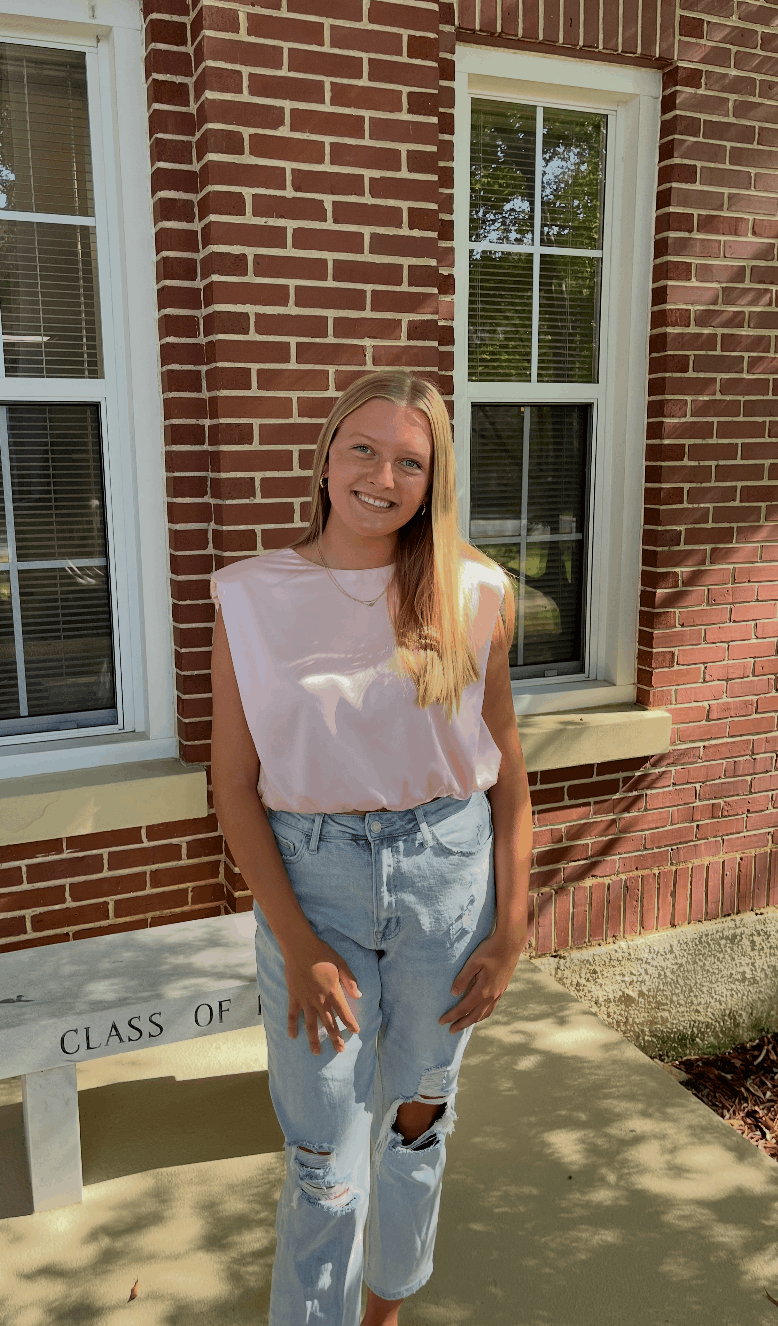
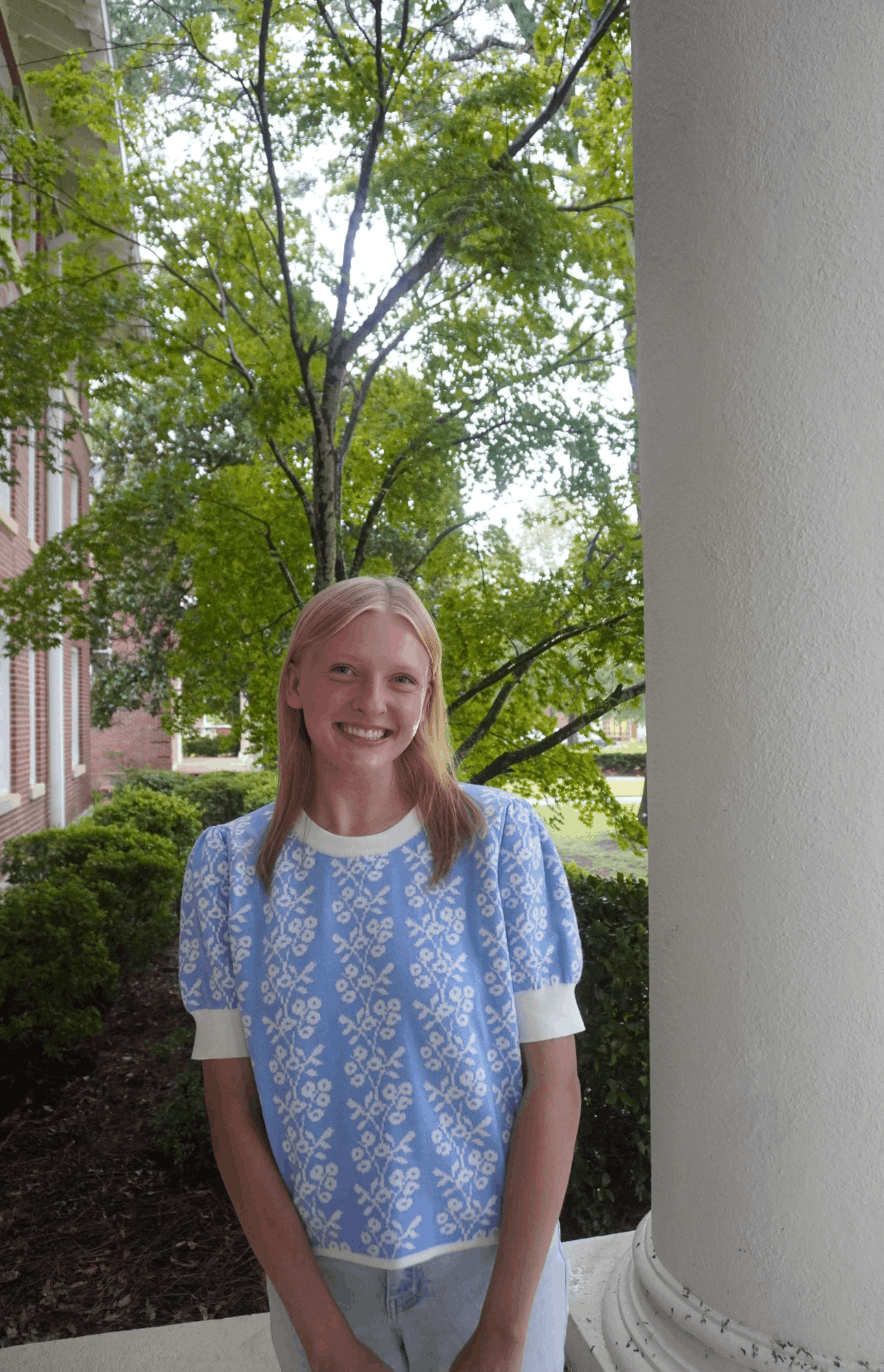
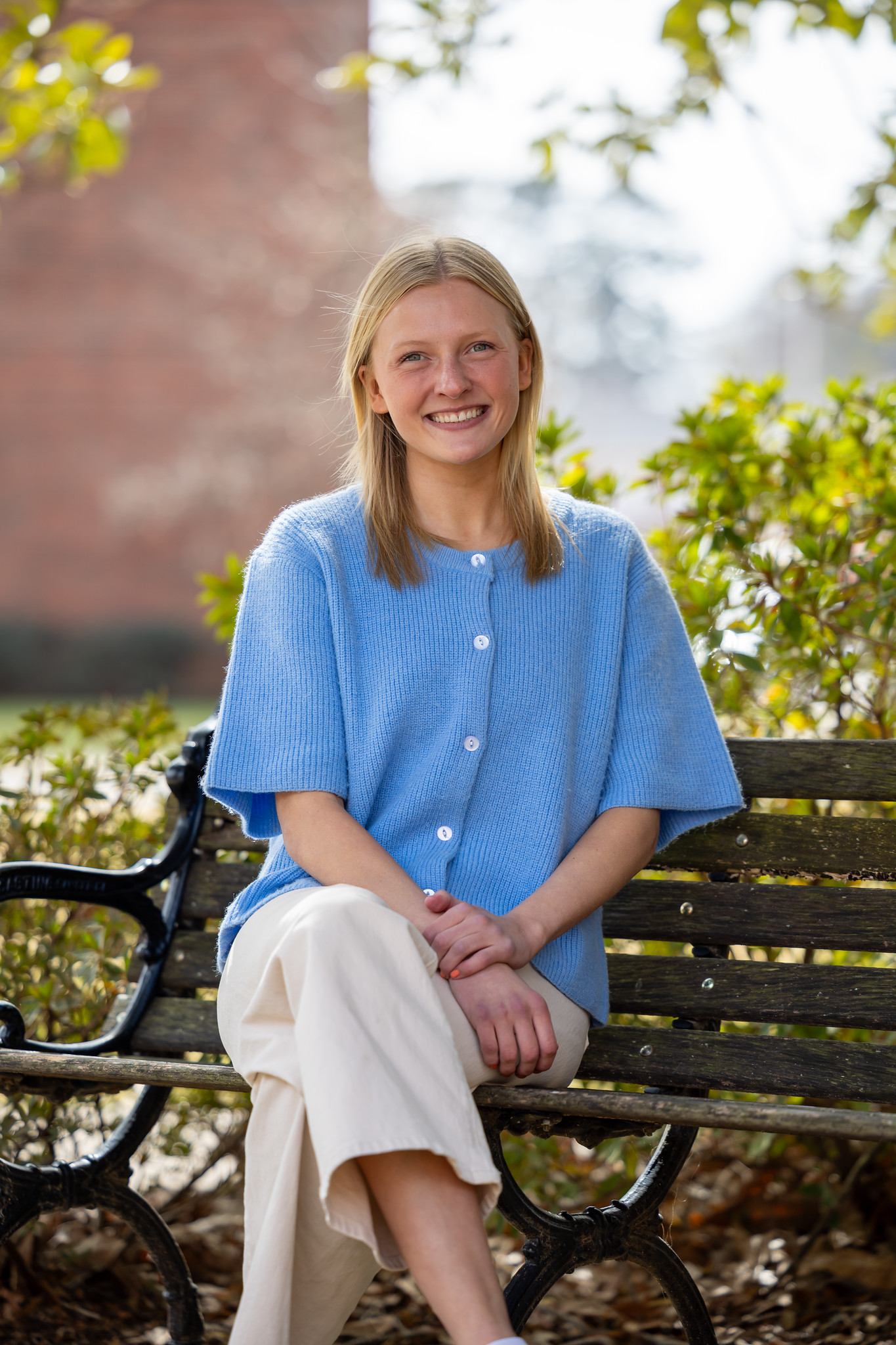
At 19, you don’t expect to negotiate with your body. You don’t calculate whether you can get up off the floor, or dance with your friends, or if your knees will cooperate long enough to play intramurals. Those weren’t questions Layten Goudy had ever needed to ask before.
What she lost wasn’t only strength. It was ease. The assumption that her body would do what she asked of it.
Months later, doctors gave names to what was happening inside her: lupus and rheumatoid arthritis. Two autoimmune diseases, both rare on their own, coexisting in what is often called Rhupus. The diagnoses explained the inflammation, the pain, and gave answers to these big questions. They did not fix anything. They did not heal her, or undo the pain that had been caused, the changes in her lifestyle.
The hardest adjustments weren’t always the medical ones.
There were obvious limitations like not being able to run like she had the year before, struggling with stairs, standing for long periods. But the losses that cut deepest were smaller and easier to overlook.
Opening shampoo bottles.
Brushing her hair.
Getting out of bed.
Putting on clothes.
Writing.
Tasks she once completed without thinking now required planning, patience, and sometimes help. Each movement came with hesitation — a quiet calculation of whether her body would cooperate.
“Everything I do takes more thought now,” Layten said.
Over time, the pain stopped being the only thing that followed her.
Fear became paralyzing.
“My life was lived in fear,” Layten said.
Ordinary spaces began to feel fragile. She would pull into a gas station and sit in her car until the anxiety rose high enough to make the decision to leave for her. She stopped going into stores. Even church, a space that was once steady and familiar, became a room she scanned for exits.
Her body had become unpredictable and soon the world followed.
As her independence narrowed physically, it began shrinking emotionally too.
Depression didn’t look dramatic. It looked still.
“I wasn’t giving up,” Layten said. “I was just exhausted.”
People often talk about small steps toward healing, sunlight, movement, routine. But sunlight aggravated her symptoms. Movement inflamed her joints. Some days, she needed help to shower.
Her first doctor spoke in worst-case scenarios. What would never be the same. What could deteriorate. What she might lose.
“You can’t work in a field this dark without hope, and he had none,” Layten said.
For months, the future had sounded catastrophic. Cancer. Permanent disability. A life she could not picture.
Hope did not arrive as an answer.
It arrived in a classroom.
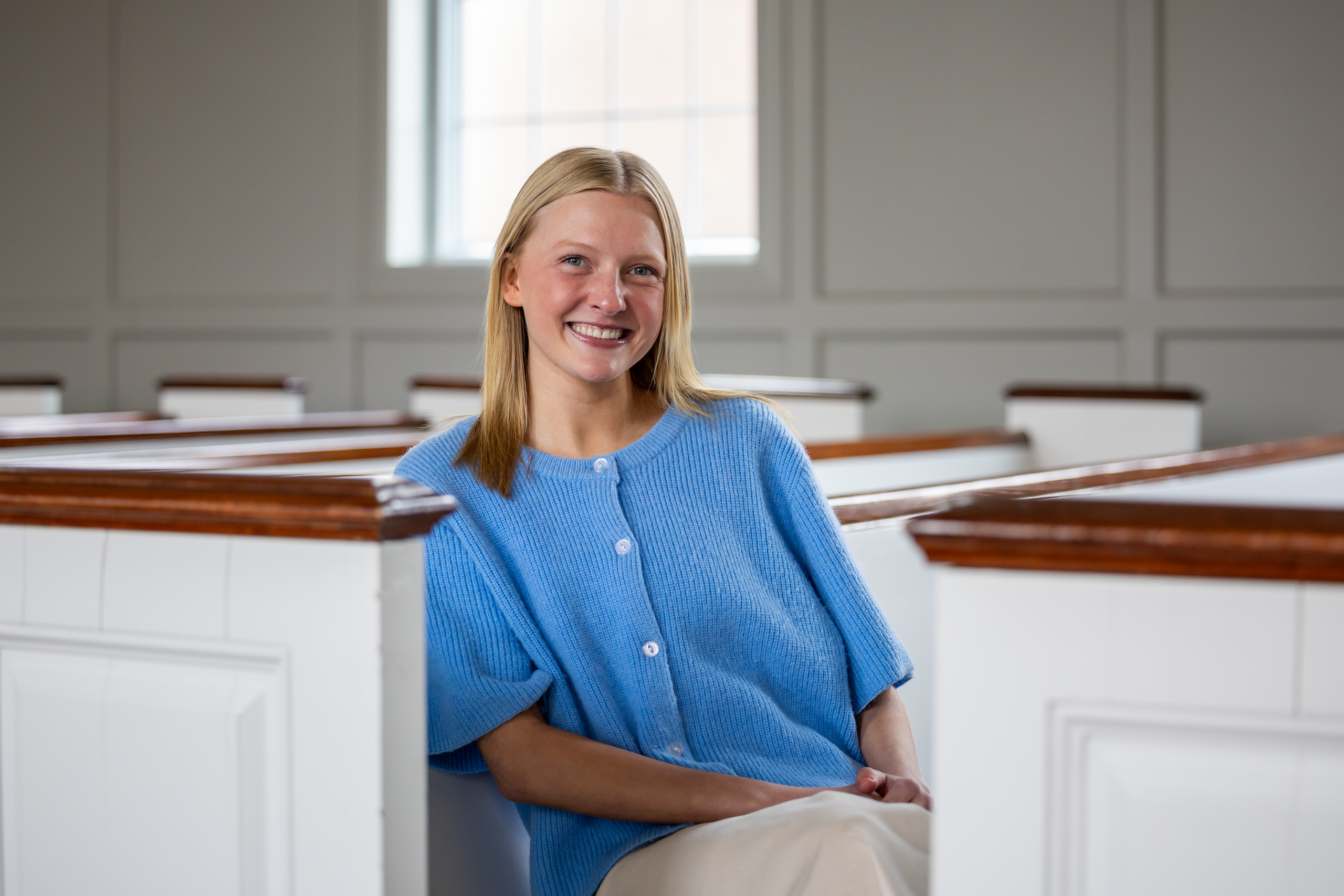
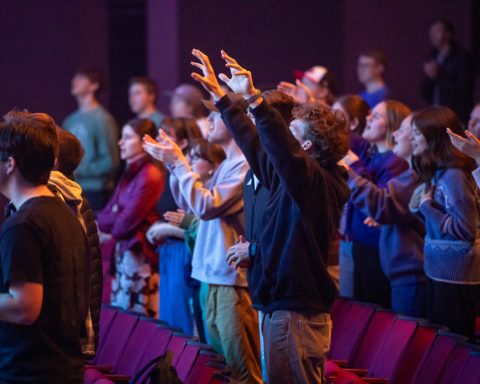
Sitting in her seat one morning, listening to a lecture on Romans 8, she found herself reciting words she had memorized years earlier but had not recalled since she was sick. The chapter speaks openly about suffering, about groaning, about weakness, about waiting — but it does not end there.
“It was like the Holy Spirit took over,” Layten said. “And after that, I never had another anxious thought.”
The pain remained.
The fear did not.
Surrender did not mean the illness disappeared. It meant fear no longer dictated how she lived. She gets gas at gas stations, goes shopping, and sits through church without panicking. There are still appointments. Still lab results. Still mornings when her body feels foreign. The limits remained.
But something in her steadied.
One doctor said something to her that gave her an unexpected sense of security.
“You’re going to die one day,” Dr. Kluck told her. “But this is not going to kill you.”
The words were blunt. They weren’t wrapped in comfort. But they were the first words that didn’t feel catastrophic.
“This isn’t the end of my life,” Layten said. “It’s just something I have to live with.”
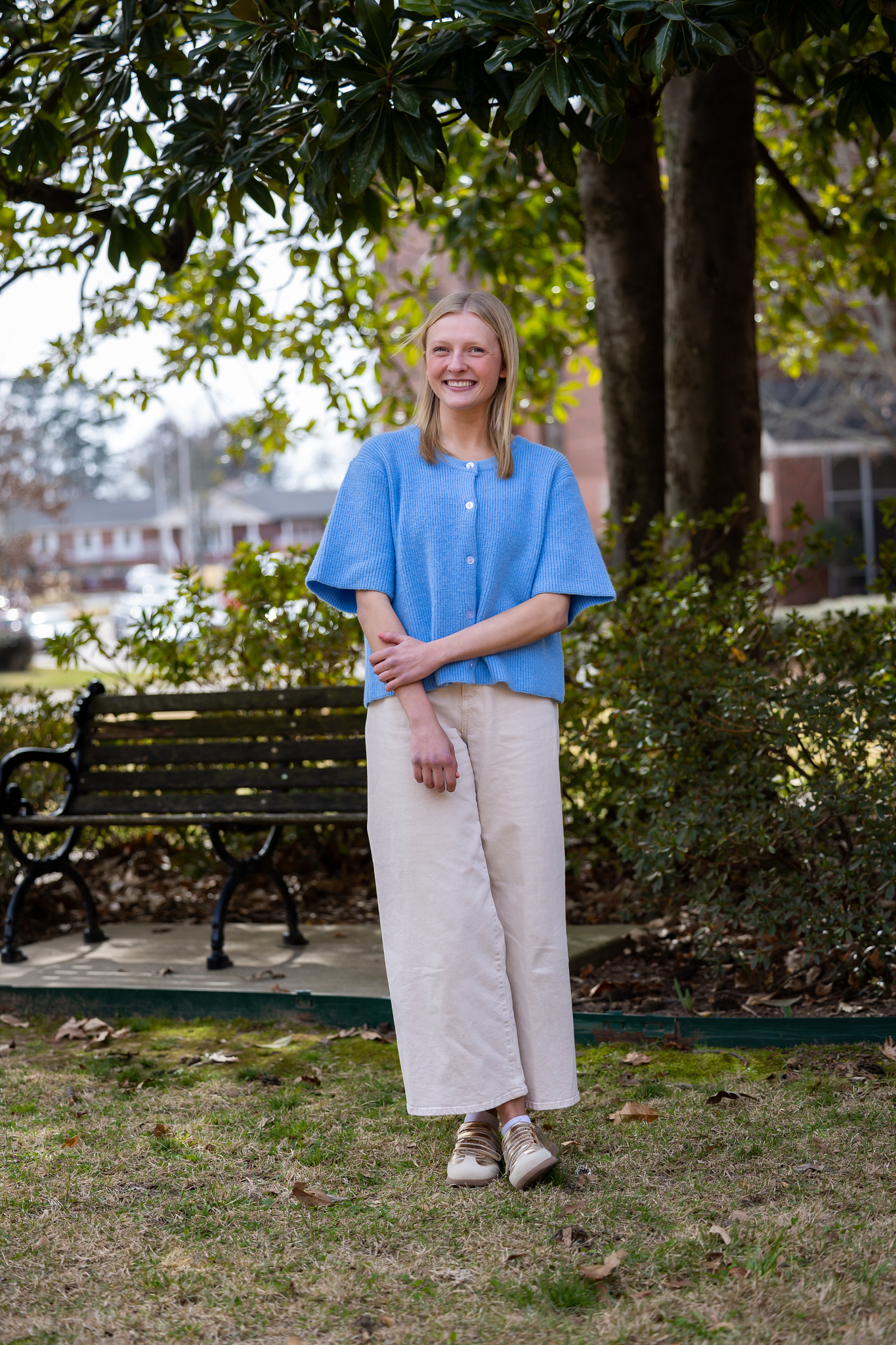
She still thinks about her joints. She still plans her days around energy. There are still limits. But these limits no longer feel like her identity.
“My body isn’t the enemy anymore,” Layten said. “It’s just something I’m learning.”
The spot on her arm is gone now.
The diagnoses are not.
“Everyone with an autoimmune disease grieves the life they had before,” Layten said. “But I know who I am now.”
The girl who once ran without thinking now moves carefully.
But she moves without fear.
She does not move with certainty. She moves with hope — the kind not rooted in lab results or remission, but in the promise that her body is not her final story.
“For I consider that the sufferings of this present time are not worth comparing with the glory that is to be revealed to us. For the creation waits with eager longing for the revealing of the sons of God.”
Romans 8:18-19