By Emerson Thompson, Staff Writer
The Superbowl has always been more than a championship game. It is an annual mark in time of shifting cultures, shared experiences that blend sports, advertising, music and community into one national holiday.
This year’s commercials made one thing stand out: artificial intelligence has successfully entered mainstream media. Several ads took their true form in AI themes, signaling what professor Dr. Carter called the “AI Super Bowl.” One of the most talked-about moments featured Anthropic’s Claude taking an interesting jab at OpenAI’s ChatGPT, turning what seems like business rivalry into simple humor.
But technology was only part of the overall entertainment. Dunkin delivered one of the night’s most entertaining ads, using humor and celebrity friendships to create a moment that felt very culturally appropriate. This ad had references from both Good Will Hunting and “Friends.” This resonated with many generations as a fun, lighthearted way to connect. Meanwhile, Instacart generated laughter with an ad featuring Benson Boone and Ben Stiller, blending comedy and music in a way that felt unexpected but effective. These ads came together to tell the audience that the Super Bowl remains the prime territory for brands to experiment, entertain and introduce new conversations.
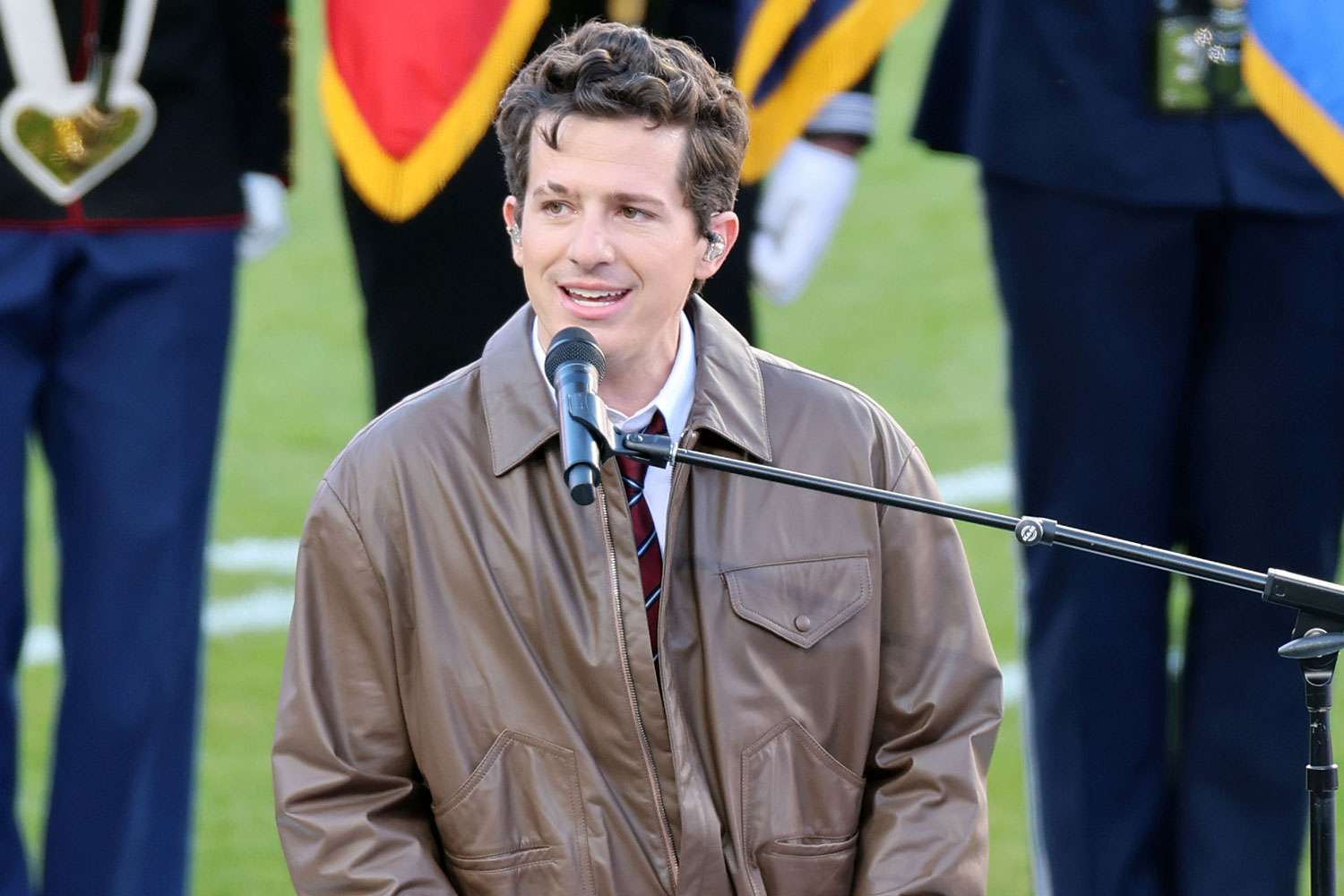
Before kickoff, the national anthem set a heartwarming and patriotic tone for the night. As a longtime fan of Charlie Puth, I was especially excited to see him take the stage. His rendition of “The Star-Spangled Banner” was just as I thought it would be. He used his controlled and precise voice to showcase his signature vocal clarity. While some described the performance as slightly mechanical, I found it amazing and moving. He is genuinely a musical genius and his ability to balance skill with emotion was one of my favorite moments from the night.
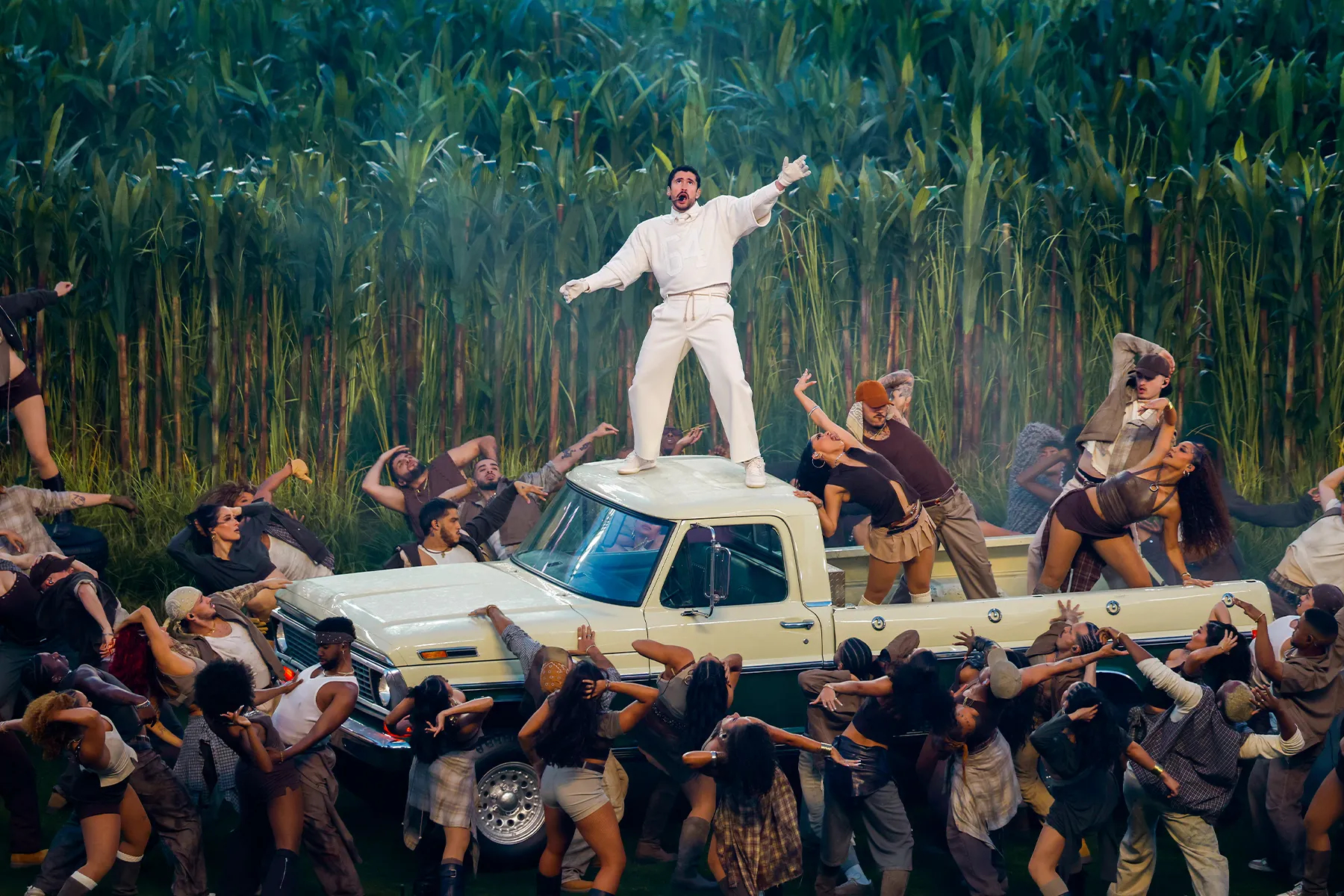
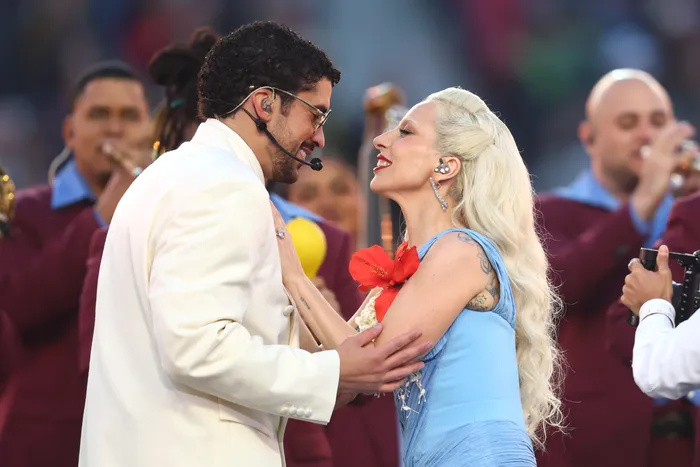
The halftime show offered a contrast to the commercial slate, but to me it didn’t stick out. While the production was a fun and lighthearted environment designed to bring people together, the performance itself felt underwhelming. It had its moments of energy, especially with Bad Bunny bringing out Lady Gaga, but it lacked the kind of standout impact that typically defines what should be a Super Bowl halftime show. However, it still created a shared national moment. Millions were watching the same stage, hearing the same songs and reacting in real time, which speaks to the event’s cultural pull.
Perhaps the most meaningful part of Super Bowl Sunday happens away from the screen. For many Americans, this annual day revolves around gathering with friends and family. Whether you’re gathering to eat the good food or simply enjoy the company of others, there is a sure connection to be had. Dr. Carter spent his time trying to get his son, Luke, to fall asleep while spending the evening with about 20 members of his church group, sharing laughs and good food. Laughter and discussion is a scene repeated in countless homes across the country.
The game itself, being the Patriots and Seahawks, felt slow for much of the night. Only in the final stretch did the explosiveness rise enough to fully ask for attention. The first touchdown of the game was scored by the Seattle Seahawks with less than 14 minutes remaining in the fourth quarter. Luckily, most Super Bowl parties are not solely reliant on the enjoyment of the football game to have a good time.
That dynamic speaks to something deeper. Dr. Carter described the Super Bowl as “a piece of the American social conscience,” a phrase that captures the weight of our culture. Watching the game has evolved into something close to what seems like a social standard. Even those indifferent to football often have an urge to tune in, attend a party or at least be aware of what has happened in the game, the commercials or even the halftime performance. This participation signals belonging.
In the end, the Super Bowl is not always about football. It remains powerful because it gathers people together: in living rooms, church halls and crowded homes into one shared moment. For a few hours each February, Americans take time to pause together. And in that pause, the Super Bowl becomes something more.